
Best Time to Visit Vancouver Island’s West Coast

If you are trying to decide when to visit Vancouver Island’s rugged west coast, the real answer is that its premier destinations—Tofino and Ucluelet—work beautifully year-round, though they feel entirely different in every season.
On this stretch of Vancouver Island’s west coast, timing shapes everything: the price of your stay, the kind of weather you get, whether you spend your days beach walking or whale watching, and whether you want blue-sky sunsets or huge winter swells rolling into shore.
Both coastal towns are true four-season destinations, offering dramatic winter storm watching, vibrant spring wildlife encounters, sunny summer beach days, and quieter shoulder seasons that offer a more relaxed pace.
Ultimately, the best time to visit depends entirely on the type of adventure you want:
Summer is the clear winner for warm weather, surfing, and peak beach days.
Winter is the standout for dramatic storm watching and cozy oceanfront getaways.
Spring and Fall are the smartest choices if you prioritize great value, lighter crowds, and a balanced mix of activities.
Here is your complete guide to the best time to visit Vancouver Island's west coast, including a detailed breakdown of what to expect for weather, prices, and top things to do in Tofino and Ucluelet throughout the year.
What You Can See and Do by Season
1. The Peak Season: July to August

From roughly June through early September, Ucluelet and Tofino are at their easiest and most visitor-friendly. This is when people come for sandy beaches, surfing, long daylight hours and classic Pacific Rim scenery.
The tradeoff is price. Summer is usually the most expensive and busiest time to stay in both Tofino and Ucluelet.
While rates vary by property and dates, summer is peak demand season and accommodations can book up well ahead, especially for beachfront or ocean-view stays.
Choose summer if: you want the easiest weather, the fullest range of activities, and a classic first visit.
Best for: families, first-time visitors, beach lovers, casual hikers and surfers.
Weather: This is as good as it gets. Expect clear skies, day temperatures around 18°C to 22°C, and the lowest chance of rainfall.
Price: Premium. This is the most expensive time to visit. Expect to pay top dollar for accommodation, and many popular resorts in Tofino require booking 6–12 months in advance.
Vibe: High energy. Tofino feels like a bustling surf town, while Ucluelet remains slightly more laid back but still busy.


Things to See & Do
Walk Long Beach: Spanning 16 kilometers, this is the longest beach on the island’s west coast and the crown jewel of the Pacific Rim National Park Reserve.
Learn to Surf at Chesterman Beach: Widely considered one of the best beginner surf spots in the world, with multiple surf schools operating right off the sand.
Take a Boat Tour to Hot Springs Cove: A full-day adventure involving a scenic boat or floatplane ride followed by a 2 km boardwalk hike to natural geothermal pools.
Bike the ʔapsčiik t̓ašii Multi-Use Path: Ride the 25 km paved path that winds through the rainforest, connecting the communities of Tofino and Ucluelet.
Hike the Wild Pacific Trail: Explore the rugged cliffs of Ucluelet under clear blue skies, including the iconic Lighthouse Loop and the Ancient Cedars trail.
Salmon & Halibut Fishing: Peak season for Chinook and Coho salmon in the waters of Barkley and Clayoquot Sound. For guided fishing experiences, you can explore options through Salmon Eye Charters or view available trips at Arc Trips Fishing.
Explore Rainforest Boardwalks: Walk the giant western red cedar loops in the National Park, where the canopy provides a cool escape from the summer sun.
Bear Watching by Boat: July and August are prime months to see Black Bears along the shoreline foraging for rock crabs at low tide.
Visit the Ucluelet Aquarium: Experience a world-class catch-and-release aquarium that showcases local marine life before returning it to the ocean at the end of the season.
Kayak Clayoquot Sound: Paddle the calm, crystal-clear inlets to spot sea otters, bald eagles, and hidden sea caves.
Sunset at Pettinger Point: Take the Sunset Trail from Cox Bay for a dramatic, elevated view of the Pacific as the sun dips below the horizon.
Tofino Public Market: Visit on Saturdays to discover local artisans, fresh food, and live entertainment in the heart of town.
2. Storm Watching Season: November to February

If summer is the easiest season, winter is the most atmospheric.
Storm watching is one of the biggest reasons people purposely plan a west coast trip between about November and February.
This is the season when staying right near the water really pays off. The appeal is not just being outside in the elements, but also being able to come back to a fireplace, ocean-view room or sheltered lounge and watch the Pacific do its thing.
Winter also tends to offer better accommodation value than summer, though not necessarily every weekend or holiday period. The downside is obvious: this is the wettest, wildest season.
Choose winter if: you want the coast at its moodiest and most memorable.
Best for: storm watchers, photographers, couples, repeat visitors and anyone who loves dramatic weather.
Weather: Dramatic and wet. This is when the Pacific Ocean flexes its muscles. You will see massive swells, driving rain, and powerful winds. Temperatures hover around 5°C to 8°C.
Price: Value. You can find incredible deals on luxury resorts that would otherwise be unaffordable in the summer. Many places offer Storm Watching Packages that include rain gear and hot cocoa.
Vibe: Moody, romantic, and awe-inspiring.

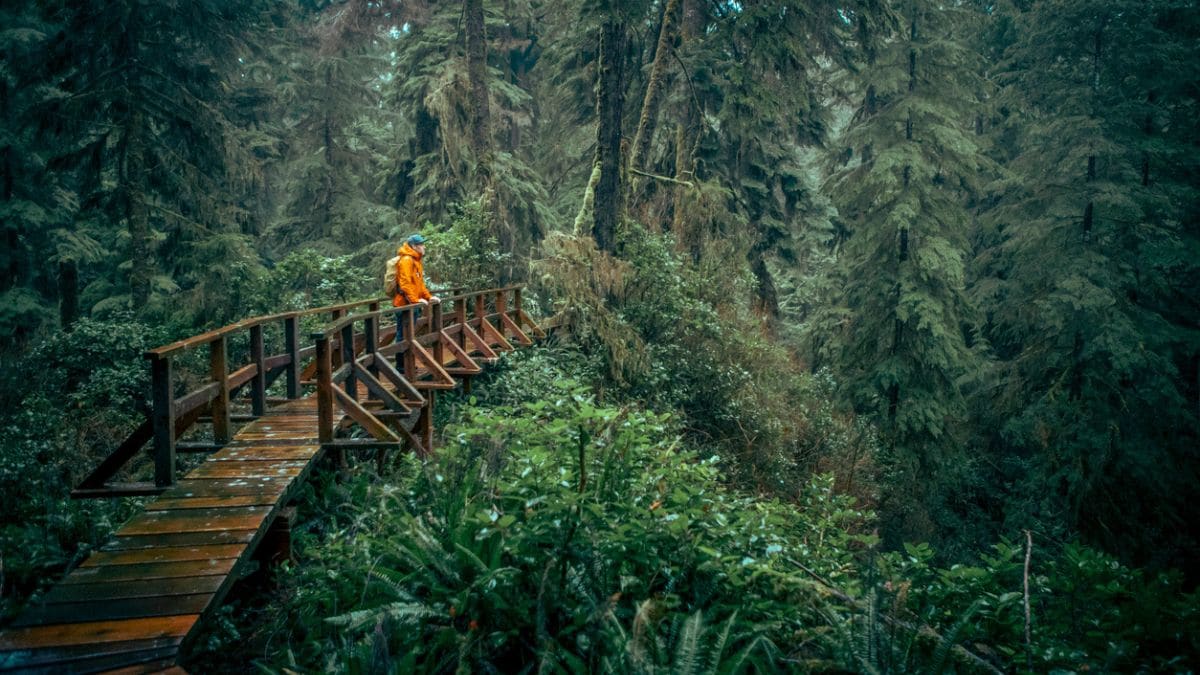

Things to See & Do:
Watch 20-foot Waves at Amphitrite Point: Witness the power of the Pacific as enormous breakers pound the rocky headlands near Ucluelet’s iconic lighthouse. The ground often vibrates from the force of the waves hitting the cliffs.
Cozy Up by the Fire: Retreat to an oceanfront cabin or a lodge like the Wickaninnish Inn or Long Beach Lodge. There is nothing more relaxing than watching a coal-grey storm roll in while staying warm by a wood-burning fireplace.
Beachcombing for Treasures: Walk the shorelines of Wickaninnish Beach or Florencia Bay after a big blow. High tides often deposit unique driftwood, sea glass, and occasionally elusive glass fishing floats.
The Tofino Hot Cocoa Trail: From late November through early January, participate in a self-guided tour of local cafes and restaurants offering creative, artisanal takes on hot chocolate.
Storm-Watch from a Viewing Deck: For a safe, dry perspective, visit the observation deck at the Kwisitis Visitor Centre. It offers a panoramic, elevated view of the massive swells at South Long Beach.
Winter Surfing: Watch the kamikaze locals tackle the heavy winter swells at Cox Bay. For the truly committed, put on a thick 5/4mm wetsuit and take a winter surf lesson; the water is less crowded and the energy is unmatched.
Hike the Rainforest in the Rain: The Rainforest Loops in the National Park feature a dense canopy that acts as a natural umbrella, making it the perfect place to experience the misty, emerald-green beauty of the ancient cedars.
Winter Wildlife Tours: Take a covered, heated vessel into the calm waters of Clayoquot Sound to spot bald eagles, sea lions, and harbor seals hunker down for the season.
Indigenous Art & Culture: Visit the Cedar House Gallery in Ucluelet or the Eagle Aerie Gallery in Tofino to explore Nuu-chah-nulth art and storytelling, providing a deep cultural connection to the winter landscape.
3. Whales, Value, and a Fresh Start: March–May

Spring is one of the most underrated times to stay in Ucluelet or Tofino.
As the region wakes up from winter, the landscape turns an electric green, and the ocean becomes a highway for marine life. It is also the season of herring spawn, blooming rhododendrons, and wildlife activity.
Choose spring if: you want whale watching, shoulder-season prices and fewer crowds.
Best for: Wildlife lovers, photographers, and travelers seeking breathing room.
Wildlife Connection: This is the premier season for whale watching. Spring coincides with the massive migration of Grey and Humpback whales. The Pacific Rim Whale Festival highlights this return, making it the best time to get out on the water.
Value: If you want to avoid peak summer pricing but still have plenty to see, this is your window. You’ll find a nice balance of active days and fewer crowds before the July rush.
Weather: Expect a mixed bag. You may get bright, crisp days or wet, changeable stretches—sometimes all in the same afternoon. This uncertainty is part of the West Coast pattern and keeps the landscape looking lush and dynamic.
Vibe: A fresh start. It’s a season of herring spawns, blooming rhododendrons, and a sense of quiet anticipation.


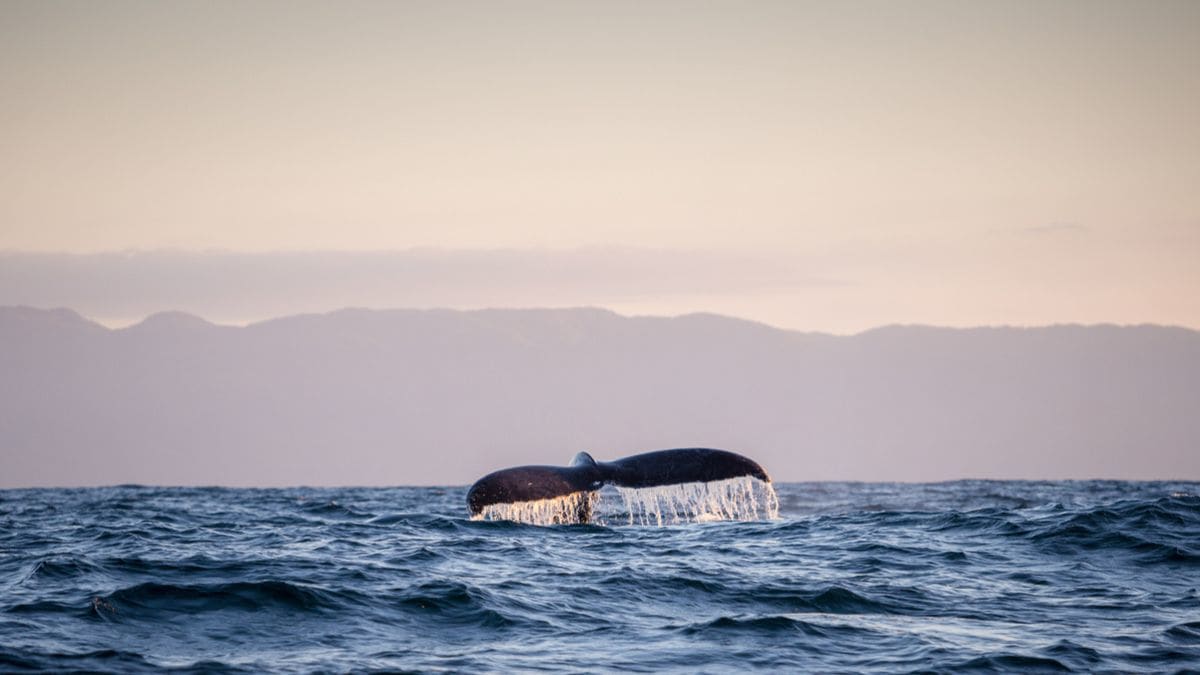
Things to See & Do:
Experience the Pacific Rim Whale Festival: Usually held in late March, this week-long celebration features events like the "Parade of Whales and Wonders," the "Baleen Bash" concert, and guided whale-spotting sessions at Amphitrite Lighthouse.
Whale Watching Tours: This is the peak window for seeing migrating Grey whales. Many companies offer "Whale Fest" discounts, making it the most cost-effective time to get on the water. You may also spot Humpbacks and Orcas as they return to the sound.
The Herring Spawn Spectacle: In March, the arrival of herring turns the coastal waters a milky turquoise. This biological event draws a massive influx of predators—watch for eagles, sea lions, and even wolves foraging along the shoreline.
Tofino Shorebird Festival: Held in late April and early May, this is a must for birders. Thousands of shorebirds stop at the Tofino mudflats during their northern migration; look for guided birding-by-kayak tours.
Explore Naa’Waya’Sum (Botanical Gardens): Spring is when the heritage rhododendrons and salmonberry blossoms explode into color. The gardens offer a peaceful, floral-scented walk through the coastal temperate rainforest.
Meares Island & Big Tree Trail: Take a water taxi to Meares Island to walk the boardwalk among 1,500-year-old cedars. The spring mist makes the ancient forest feel particularly mystical and prehistoric.
Beachfront Saunas & Cold Plunges: Capitalize on the crisp spring air by visiting a floating or beachfront sauna (like Tofino Resort + Marina or Hotel Zed). The ritual of a wood-fired sauna followed by a plunge in the cold Pacific is a local spring favorite.
Surfing & Yoga Retreats: Spring marks the start of retreat season. The smaller crowds and softer prices make it the ideal time for multi-day wellness camps that combine surf lessons with rainforest yoga.
Bear Watching by Boat: Starting in April, Black Bears emerge from hibernation and head to the beaches at low tide to flip rocks for crabs and barnacles. Since the bears are hungry, sightings are incredibly frequent.
4. Quieter Beaches, Surfing, and a Slower Pace: September–October

Fall, especially September through October, is a strong choice if you want many of summer’s upsides without peak-season intensity. The weather can still be pleasant enough for long walks and outdoor time, but the atmosphere starts to feel calmer.
This can be a sweet spot for travellers who want to stay near the ocean, spend time on the beach, go surfing or hiking, and still have easier access to tables, trails and accommodation than in midsummer.
Prices often soften from the height of summer demand, though popular weekends can still fill up.
Fall also works well if you like the west coast when it starts to feel moodier but has not fully shifted into winter storm intensity. In other words, it is one of the most balanced seasons.
Choose fall if: you want a quieter trip with good scenery and more breathing room.
Best for: Surfers, hikers, couples, and shoulder-season sweet spot seekers.
Weather: The weather often remains pleasant enough for long beach walks and hiking, but the atmosphere shifts. Ucluelet’s misty mornings and Tofino’s transition into the nutrient-rich storm cycle create a moody, beautiful charm.
Easier Access: This is a sweet spot for travelers who want easier access to restaurant tables, parking at popular trailheads, and a wider selection of accommodations. While prices soften from the height of summer, the secret of fall is out, so popular weekends can still fill up.
Surfing & Hiking: For surfers, the water remains relatively warm, and the swells begin to get more consistent. Hikers will find the trails much quieter, allowing for a more solitary experience in the rainforest.
Vibe: Calmer and moodier. It’s the perfect time to visit if you like the coast when it starts to feel tucked in but hasn't yet shifted into the full intensity of winter storms.


Things to See & Do:
Surf the Queen of the Peak: This annual women’s surf championship, usually held in early October at Cox Bay, is a highlight of the season. Even if you don't surf, watching world-class athletes navigate the autumn swells from the beach is an incredible experience.
Watch the First Big Swells: October marks the arrival of the first 10-foot+ swells. It’s a perfect pre-season for storm watching—all the drama of the big waves but often with milder temperatures and softer winds.
Salmon Run at Thornton Creek: Visit the Thornton Creek Hatchery near Ucluelet in October to witness thousands of salmon returning to spawn. This event often draws local Black Bears and wolves to the riverbanks for an easy meal.
Edge to Edge Marathon: Held in mid-October, this scenic race takes runners along the Wild Pacific Trail and the rugged coastline between Tofino and Ucluelet. Whether you're running or cheering, the community energy is electric.
Foraging & Fungus: The damp, cooling weather makes fall mushroom season. Take a guided interpretive walk to spot Chanterelles, Lobster mushrooms, and the diverse fungi that pop up across the rainforest floor.
Bear Watching (The Final Call): October is the final month for boat-based bear watching before they retreat for hibernation. The bears are at their most active and plump as they forage heavily along the shoreline to prepare for winter.
Cozy Dining Without the Wait: Fall is the best time to visit Tofino’s famous culinary scene. You can often snag a table at high-demand spots with much shorter wait times than in July.
Beach Yoga & Fires: With the beaches becoming significantly quieter, it’s the perfect time for a solitary morning yoga session on the sand or a legal, sunset beach fire (check local fire bans/permits first) at Mackenzie Beach.
Ucluelet vs. Tofino: Which is Better for Your Trip?
The timing question also overlaps with where to stay.
Tofino generally feels more famous, more in-demand and more resort-oriented. It’s known for beachfront stays, surf culture, whale watching, spa-style comfort and easy access to beaches and activity providers.
Ucluelet often feels quieter, a little less polished, and more rooted in rugged shoreline scenery. It’s a year-round coastal escape shaped by seasonal shifts, with storm watching, quieter evenings and a more laid-back pace.
Because they are close to each other, many travellers use one as a base and explore both.
So, when is the best time to stay in Ucluelet or Tofino?
The best time depends on what matters most to you.
For the best weather, choose summer.
For storm watching, choose winter.
For whales and shoulder-season value, choose spring.
For quiet beauty and balance, choose fall.